Everyday wellbeing
How to plan rest and recovery days when starting to exercise again
Learn how to schedule rest and recovery days for a balanced, realistic exercise routine—practical tips, movement ideas, and meal suggestions for beginners.
Vitaflix editorial team
4 min read
Returning to exercise is a positive step, but it’s normal to wonder how to balance activity with rest. Many people starting out worry about losing progress if they take a day off, but recovery is just as important as movement itself.
Rest and recovery days help your body adapt, reduce soreness, and keep motivation steady. Here’s how to plan them into an everyday routine, without needing athletic knowledge or technical terms.
Why rest and recovery matter even for beginners
Even moderate movement, like walking or light exercise, can leave you feeling tired or sore at first. Rest and recovery give muscles, joints, and your mind time to adapt. Skipping rest can lead to fatigue or a lack of motivation, making it harder to stick with your routine. Recovery also lowers the risk of minor aches turning into bigger setbacks.
If you’re new to regular movement, or returning after a break, start gently and check with your doctor before beginning if you have health concerns, are pregnant, or feel pain. Balance is key: activity helps you feel better, but rest is what lets your body rebuild.
How to tell when you need a rest or lighter day
You don’t need to wait until you’re exhausted to take a rest day. Signs you could use a break include:
- Muscles feeling heavy or sore
- Less energy or more tired than usual
- Trouble sleeping or feeling run down
- Not looking forward to activity you usually enjoy
If you notice these, swap a workout for a lighter activity or a full rest day. Learning to listen to your body is a skill that gets easier over time.
What to actually do on a recovery day (it’s not just doing nothing)
Recovery doesn’t always mean lying on the couch. You can:
- Go for a gentle walk
- Stretch or do calming movement like yoga
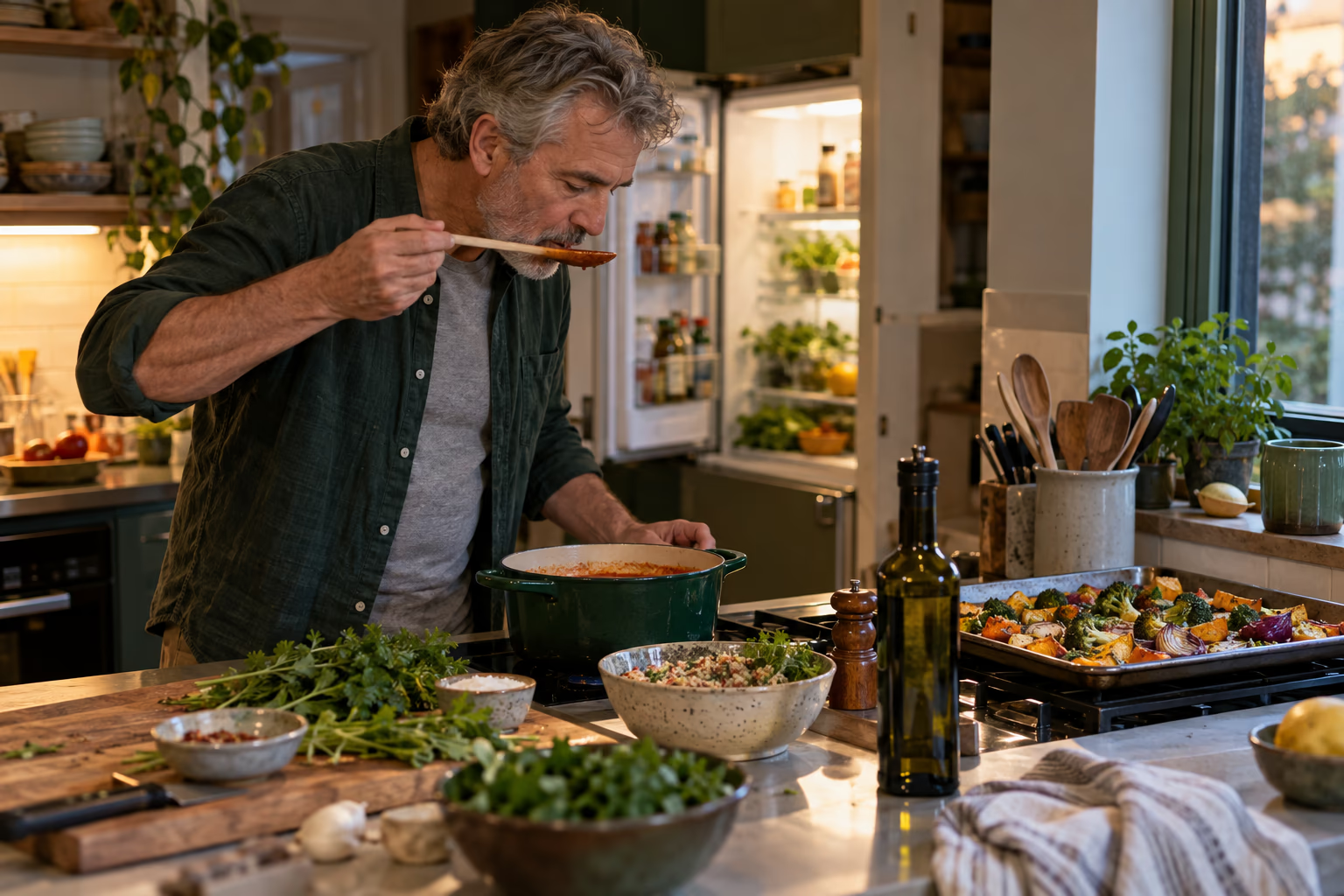
- Focus on other healthy routines, like preparing a simple meal or getting enough sleep
If you feel like moving, keep it light and enjoyable. If you’re very tired, extra rest is just fine. Either way, give yourself permission to recover—it's part of progress.
Simple movement ideas for active recovery
Active recovery means light movement that helps your body feel better, not more worn out. Some practical options:
| Idea | How long | Where |
|---|---|---|
| Easy walk | 10–30 min | Outside/indoors |
| Gentle stretching | 5–15 min | Living room |
| Yoga or mobility video | 10–20 min | At home |
| Light cleaning | 10–20 min | Around house |
You might enjoy a slow walk around the block or gentle stretching while listening to music. If you’d like more ideas, see How to start walking more when your week is busy and you feel tired.
Fitting rest and movement into a busy week
Many people start with the goal of moving 3–4 days a week, with rest or lighter days in between. Here’s a simple example for a week:
- Monday: 20-minute walk
- Tuesday: Rest or gentle stretching
- Wednesday: Bodyweight routine (see How to start working out at home with no equipment)
- Thursday: Rest or a short walk
- Friday: 10-minute yoga or mobility
- Saturday: Longer walk or activity you enjoy
- Sunday: Rest
You can adjust days and intensity based on how you feel. Try not to schedule active days back-to-back at first. Flexible routines make it easier to keep going—see Why a flexible food routine is easier to live with.
Everyday meals that support recovery (with recipe links)
Eating regular, balanced meals helps your body recover, even on rest days. Include a mix of protein, vegetables, and some carbs for energy. Here are a few practical ideas:
- Warm up with Velvety chayote and broccoli cream (98 kcal, 30 min): made with chickpeas, broccoli, and chayote—it’s light and filling, perfect for an easy lunch.
- Start your day with Fresh couscous bowl with scrambled eggs (299 kcal, 12 min): includes eggs, couscous, and fresh veggies for balanced recovery.
- For a snack or dessert, try Blueberry Pudding with Crunchy Muesli (198 kcal, 10 min): yogurt, blueberries, and muesli offer protein and natural sweetness.
You don’t need special foods—just meals you enjoy that help you feel satisfied and refueled.
Rest and recovery days aren’t a step back—they’re part of an ongoing routine that keeps you moving, feeling good, and able to enjoy regular activity. With Vitaflix, you can plan balanced meals in just the right portions, get a shopping list, and record your walks or workouts, making it easier to find your own healthy rhythm.
Frequently asked questions
How often should I take a rest day when starting to exercise?
When starting out, plan at least one or two rest or active recovery days per week, and allow extra rest if you feel sore or tired. Listen to your body and adjust as needed—rest is an important part of building a lasting routine.
What’s the difference between a rest day and an active recovery day?
A rest day means little or no planned movement—just regular daily activities. An active recovery day includes gentle movement like walking or stretching, which helps your body recover without adding extra fatigue.
What kinds of movement are good for recovery days?
Light activities work best: easy walks, gentle stretching, yoga, or other calming movement. The goal is to help your body feel better, not to push yourself. Choose what you enjoy and what helps you feel refreshed.
Can I go for a walk on a rest day?
Yes, gentle walking is a good option for a rest or active recovery day. Keep it easy and short—enough to feel refreshed but not tired. Listen to your body and take a full rest if you still feel worn out.
Do I need to eat differently on rest days?
You don’t need a special diet for rest days. Balanced meals with protein, vegetables, and some carbs help recovery. Eat regular meals you enjoy and adjust portions based on your hunger and activity level.
How do I listen to my body and avoid overdoing it?
Pay attention to signs like soreness, fatigue, or lack of motivation. If you feel unusually tired, take a rest or lighter day. Over time, you’ll get better at noticing what your body needs and adjusting your routine.